
Artificial intelligence continues to find new ways to become part of everyday tools, particularly in areas related to safety and privacy. A recent example comes from South Korea, where researchers have developed technology that can detect hidden cameras using a smartphone combined with a small LED attachment.
The technology, called SweepLED, was developed by a team at the Korea Advanced Institute of Science and Technology (KAIST), in collaboration with researchers from the National University of Singapore and Singapore Management University.
Using light and artificial intelligence
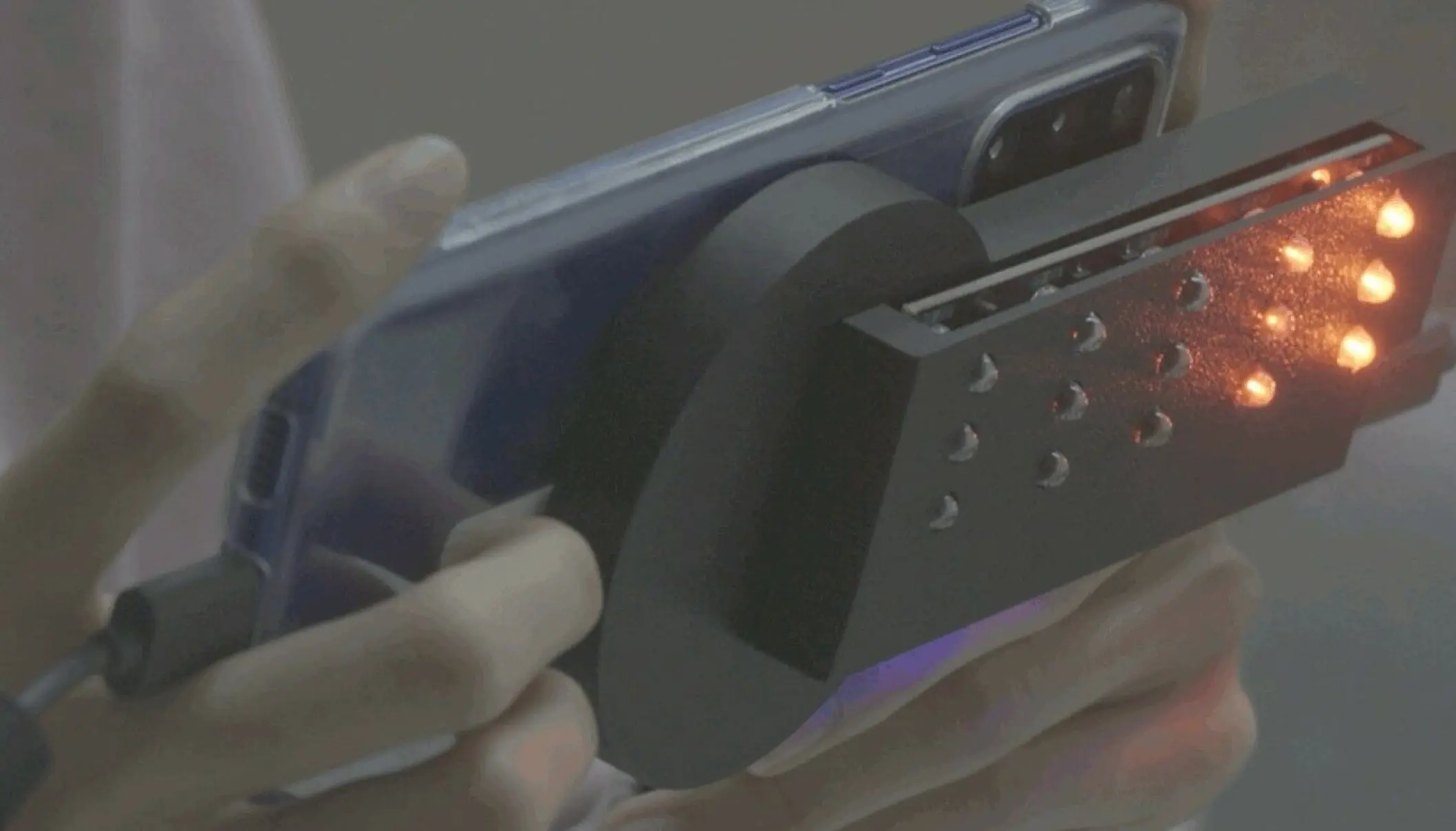
SweepLED works through an attachment containing multiple LEDs that is placed on the back of a smartphone. The LEDs illuminate an object from different angles while an AI system analyzes how the reflected light changes.
The goal is to distinguish ordinary reflections from materials such as glass, metal, or plastic from the distinctive reflections produced by a camera's optical structure.
One of the most interesting features is its ability to detect powered-off cameras, as long as their lenses remain exposed. This could give it an advantage over some traditional detectors that rely on wireless or electromagnetic signals and therefore may not identify cameras that are not transmitting.
Promising test results
Researchers tested the system on 30 types of objects commonly found in accommodations, including chargers, table clocks, remote controls, and decorative objects.
During testing, SweepLED achieved approximately 94% accuracy and was able to inspect each object in less than five seconds. The system also performed reliably under normal indoor lighting conditions during both daytime and nighttime.
The cost of the technology is another notable factor. The core components of the LED attachment cost less than $7, potentially making the technology suitable for commercialization as an affordable smartphone accessory.
When innovation becomes accessible
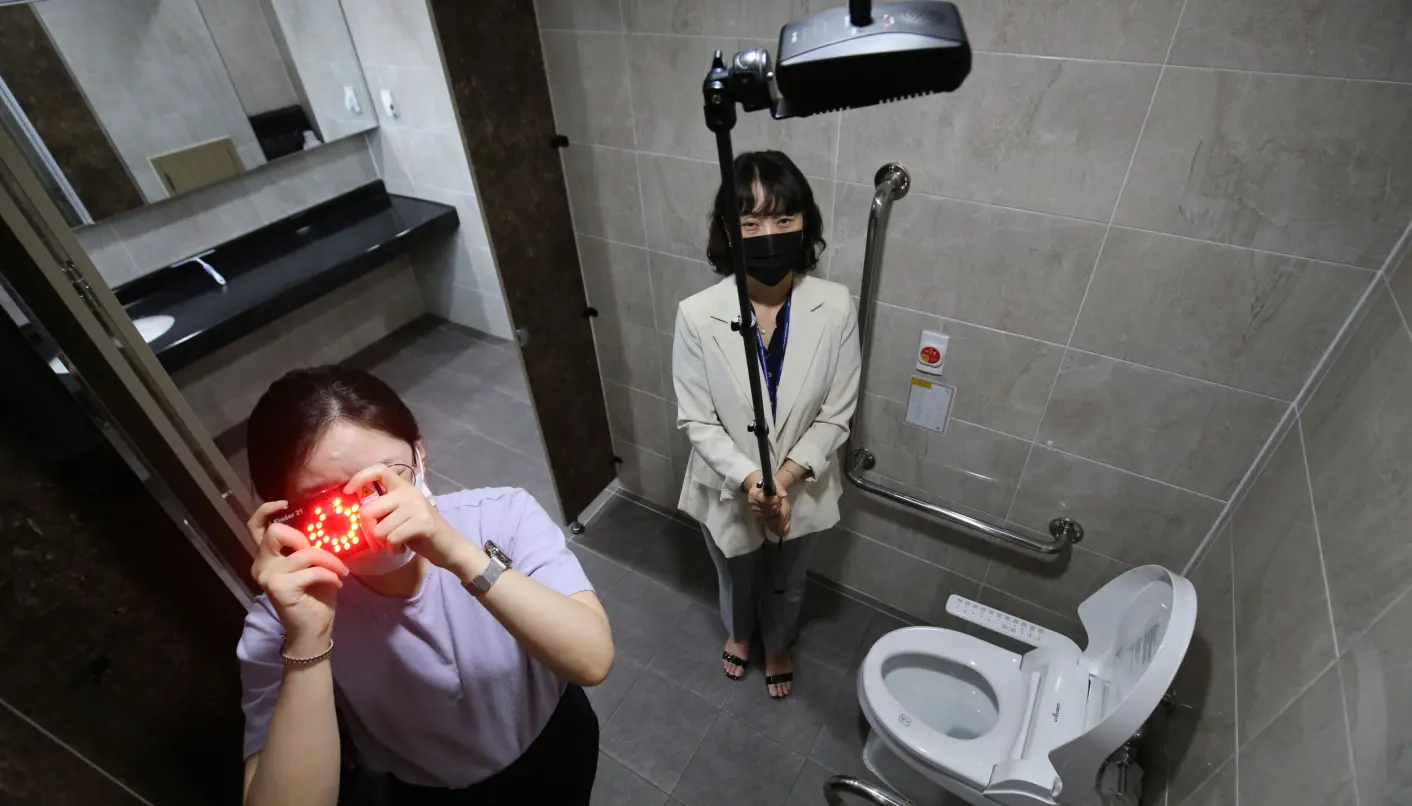
Beyond hidden-camera detection, the project highlights an important trend in technology: the combination of artificial intelligence, low-cost hardware, and smartphones can potentially turn technologies that once required specialized equipment into tools accessible to everyday users.
The research team plans to make the hardware smaller, improve real-time analysis, and reduce false positives as the technology develops.
Developments such as SweepLED demonstrate that innovation does not always require creating an entirely new device. Sometimes, it means taking technologies people already use — such as smartphones — and combining them with AI to solve real-world problems.
For technology companies, this kind of development sends a clear message: the most useful technology is often technology that can fit naturally into everyday life while making complex processes simpler and more accessible.
Source: Korea JoongAng Daily / KAIST. Published September 2, 2026.